
Loading Maps
6 Results found!
Where to Stay in Dar Es Salaam
Neighborhoods of Dar Es Salaam
Dar Es Salaam, the largest city in Tanzania, is a melting pot of cultures and traditions, reflected in its diverse neighborhoods. Each area offers a unique experience, from the bustling streets of Kariakoo, known for its vibrant markets and local shops, to the serene coastal vibes of Oysterbay, where expatriates and tourists enjoy picturesque views of the ocean. The historic district of Stonetown, with its winding alleys and Swahili architecture, provides a glimpse into the city’s rich history. Meanwhile, the upscale neighborhood of Masaki is known for its upscale restaurants, cafes, and nightlife, making it a favorite among visitors seeking a lively atmosphere.Landmarks to Discover
Dar Es Salaam is home to a variety of landmarks that showcase the city’s heritage and modernity. The National Museum, located near the waterfront, is a must-visit, offering insights into Tanzania’s history, culture, and natural heritage. Another notable site is the Askari Monument, a tribute to the soldiers of World War I, which stands proudly in the city center. The iconic St. Joseph’s Cathedral, with its stunning stained glass windows and Gothic architecture, is another landmark that captivates visitors. The city’s beaches, such as Coco Beach and Mbudya Island, also serve as popular landmarks where locals and tourists alike gather for relaxation and recreation.Business Districts and Economic Hub
Dar Es Salaam serves as the economic heartbeat of Tanzania, with several business districts that drive the nation’s economy. The central business district (CBD) is where most corporate offices, banks, and government institutions are located. The region is characterized by modern skyscrapers and a bustling atmosphere, especially during weekdays. Additionally, areas like Mikocheni and Oysterbay are emerging as commercial hubs, attracting both local and international businesses. The city’s strategic location along the Indian Ocean makes it an essential port for trade, further enhancing its role as an economic center.Transport Access and Connectivity
Getting around Dar Es Salaam is relatively easy, thanks to its well-developed transport network. The city is served by Julius Nyerere International Airport, which connects Dar Es Salaam with major international destinations. Within the city, public transport options such as daladalas (minibuses) and bajajis (three-wheeled vehicles) are commonly used for short distances. The recently introduced Bus Rapid Transit system offers a more organized and efficient way to navigate the city. For those looking to explore further afield, ferries provide access to nearby islands, making a day trip a convenient option.Cultural Highlights and Experiences
Dar Es Salaam is a cultural hub, offering a rich tapestry of experiences for visitors. The city hosts numerous festivals celebrating its diverse heritage, including the Swahili Cultural Festival, which showcases local music, dance, and cuisine. The vibrant arts scene is evident in various galleries and theaters, such as the National Arts Council, which promotes local artists. The culinary landscape is equally diverse, with street food stalls offering tantalizing local dishes like ugali and samaki, alongside upscale restaurants serving international cuisine. Visitors can also immerse themselves in traditional crafts by visiting local markets where artisans display handmade goods.Reasons to Stay in Dar Es Salaam
Travelers are drawn to Dar Es Salaam for a multitude of reasons. Its strategic location as a gateway to the stunning islands of Zanzibar and the Serengeti National Park makes it an ideal base for adventure. Additionally, the city's warm climate, friendly locals, and rich cultural experiences create a welcoming atmosphere. With a range of accommodations available, from budget-friendly options to luxurious hotels equipped with amenities like WiFi, parking, pools, and kitchens, visitors can find the perfect place to stay. Whether exploring its vibrant neighborhoods, indulging in local cuisine, or relaxing on its beautiful beaches, Dar Es Salaam promises an unforgettable experience.Neighborhoods in Dar Es Salaam
Listings in "Dar Es Salaam"
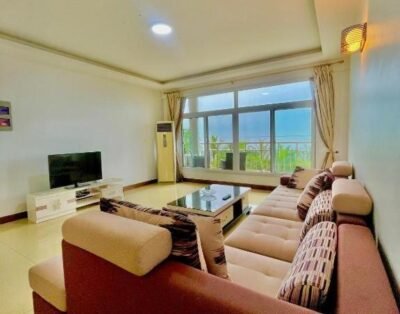


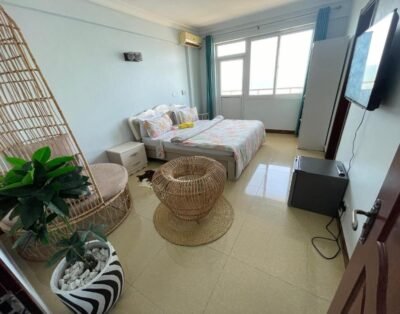
featured
Verified
2 Guests · 1 Bedroom · 2 Bathrooms
$ 65 /night
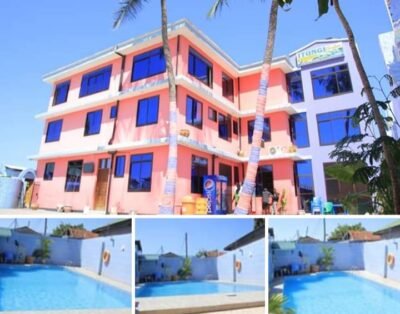

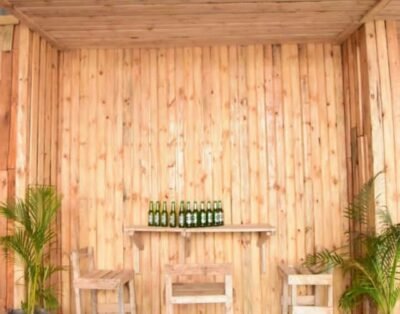

featured
Verified
2 Guests · 1 Bedroom · 1 Bathroom
$ 20 /night

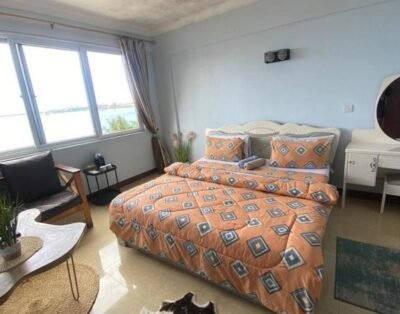
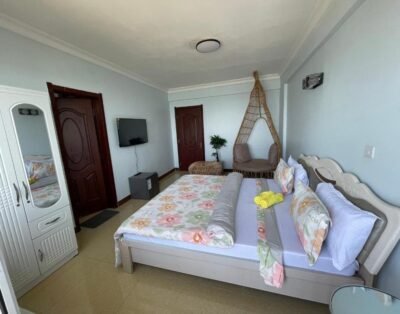
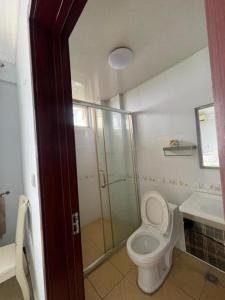
2 Guests · 1 Bedroom · 1 Bathroom
$ 100 /night


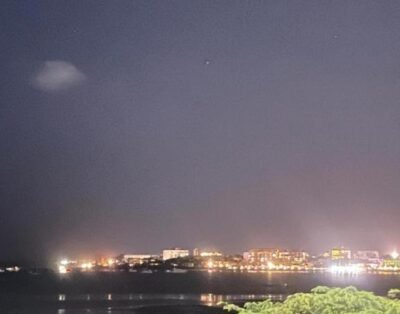
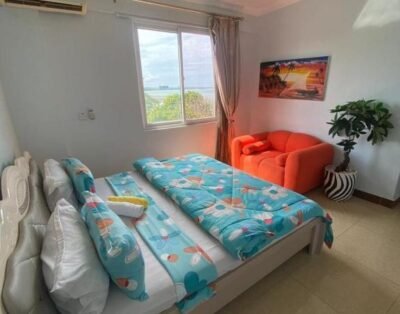
2 Guests · 1 Bedroom · 1 Bathroom
$ 50 /night

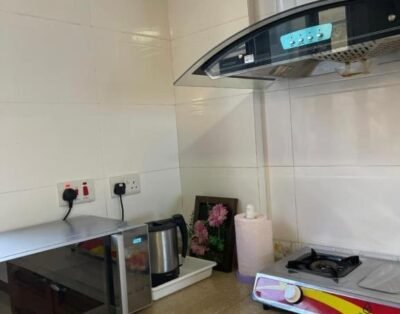
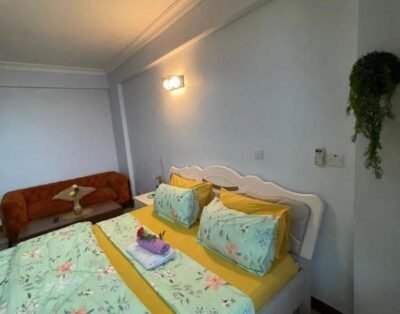

2 Guests · 1 Bedroom · 1 Bathroom
$ 35 /night

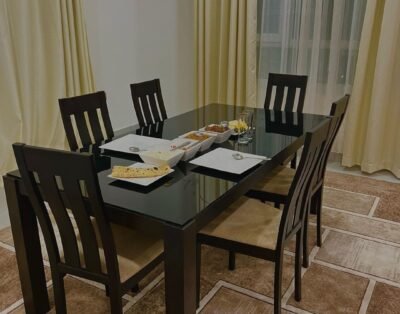


2 Guests · 2 Bedrooms · 1 Bathroom
$ 0.16 /night