
Loading Maps
173 Results found!
Best cheap or luxury hotels & guest houses in Abuja
Neighborhoods of Abuja
Abuja, the capital city of Nigeria, is renowned for its well-planned layout and diverse neighborhoods. The city is divided into several districts, each offering a unique experience. Areas like Wuse and Garki are bustling with activity, featuring a mix of residential and commercial spaces. Wuse is famous for its vibrant markets and shopping centers, while Garki hosts government offices and some upscale dining options. For those seeking a more tranquil environment, neighborhoods like Maitama and Asokoro provide lush greenery and luxurious residences, making them popular among expatriates and diplomats.Landmarks to Discover
Abuja is home to several iconic landmarks that reflect the country’s rich cultural heritage. The Aso Rock, a stunning 400-meter tall rock formation, towers over the city and is a symbol of Abuja. Adjacent to it is the impressive Aso Villa, the official residence of Nigeria's president. Another must-visit site is the National Mosque, which showcases intricate architecture and is one of the largest mosques in Africa. The Nigerian National Christian Centre is equally captivating, representing the country’s diverse religious landscape. Additionally, the Arts and Culture Centre celebrates Nigerian art, offering a glimpse into the nation’s creative spirit.Business Districts and Economic Activities
Abuja serves as the economic hub of Nigeria, with business districts like Maitama and Wuse II bustling with corporate offices and international embassies. The city attracts numerous investors due to its strategic location and favorable business environment. The Abuja International Trade Fair is a significant event, drawing participants from various sectors and showcasing local and international products. Additionally, the presence of various multinational companies has solidified Abuja's status as a prime location for business travelers, making it an ideal spot for conferences and meetings.Transport Access and Connectivity
Navigating Abuja is convenient thanks to its well-structured transport system. The Nnamdi Azikiwe International Airport connects the city to major destinations worldwide, making it easily accessible for international travelers. Within the city, taxis and ride-hailing services like Uber are widely available, providing flexible transport options. The Abuja Light Rail, inaugurated in 2018, enhances connectivity between key districts, reducing travel time and improving accessibility. For those driving, well-maintained roads facilitate smooth transit throughout the city, making it easy to explore its various attractions.Cultural Highlights and Events
Abuja is a melting pot of cultures, and this diversity is celebrated through various festivals and events. The Abuja Carnival, held annually, showcases Nigeria’s rich traditions through colorful parades, music, and dance. The city is also home to numerous art galleries and cultural centers, offering visitors a chance to appreciate local artwork and crafts. The Nigerian National Museum, located in the city, provides insights into the country’s history, housing artifacts that span centuries. Food enthusiasts can indulge in local cuisine at various restaurants, where traditional dishes like jollof rice and suya are a must-try.Why Travelers Choose Abuja
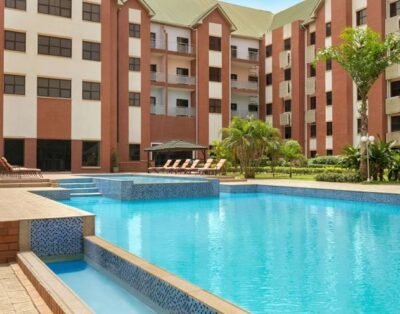
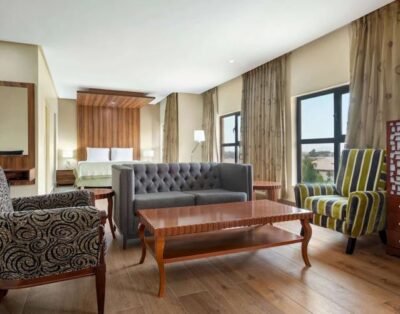
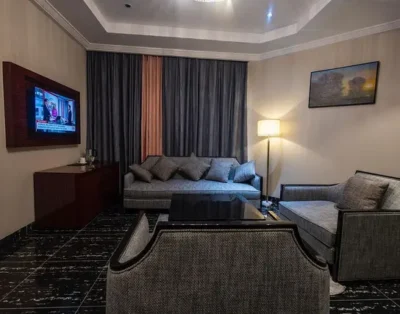
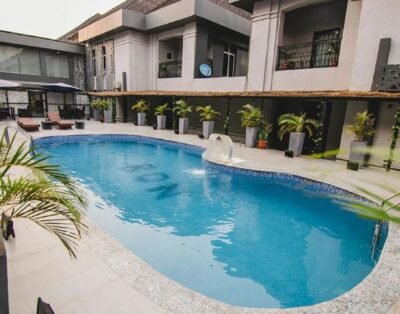
Travelers are drawn to Abuja for its unique blend of modernity and tradition. The city’s strategic location makes it an ideal starting point for exploring Nigeria’s diverse landscapes, from the scenic hills of Jos to the bustling markets of Lagos. With a range of accommodations available, from luxury hotels to budget-friendly options, visitors can find a comfortable place to stay. The availability of amenities such as WiFi, parking, kitchen facilities, and pools enhances the overall experience, catering to both business and leisure travelers. Ultimately, Abuja offers a rich tapestry of experiences that leave a lasting impression on all who visit.Listings in "Abuja"
featured
Verified
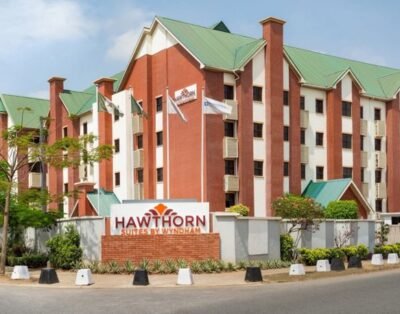
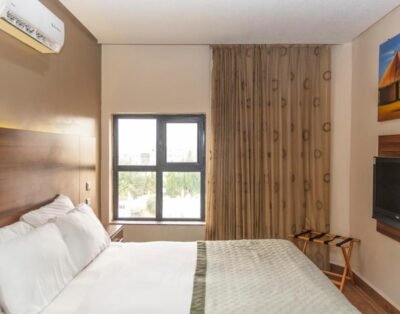
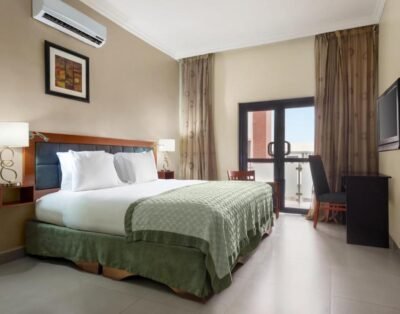
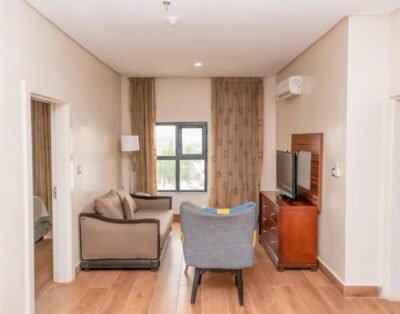
2 Guests · 1 Bedroom · 1 Bathroom
$305 /night
featured
Verified
2 Guests · 2 Bedrooms · 2 Bathrooms
$245 /night
featured
Verified
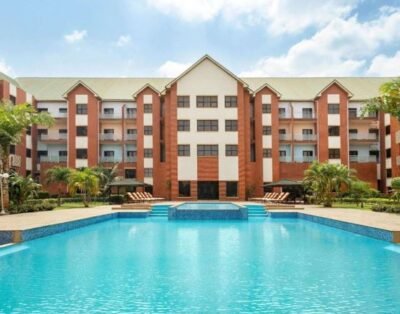
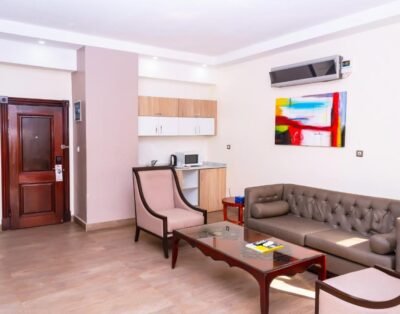
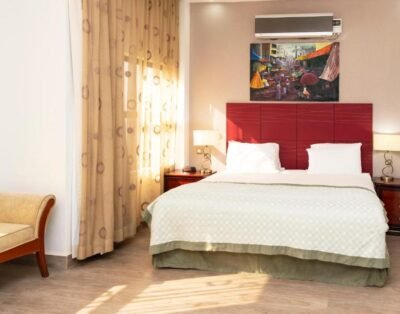
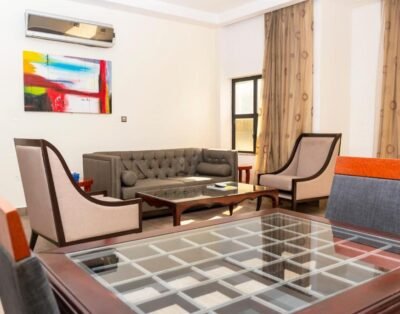
2 Guests · 1 Bathroom
$230 /night
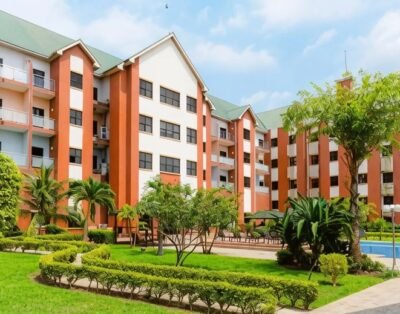
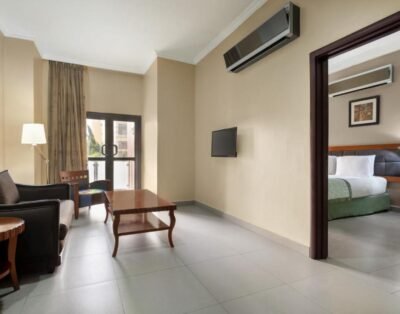
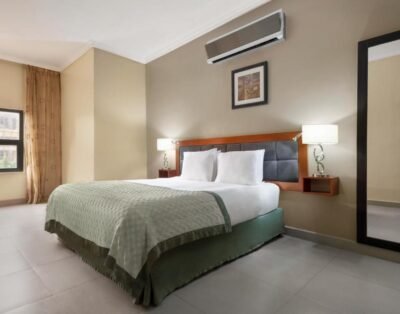
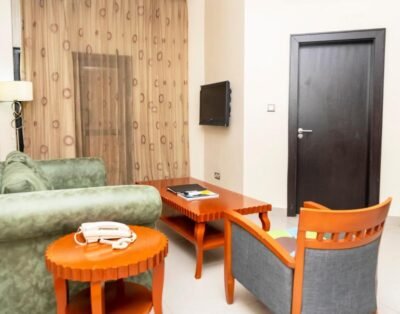
featured
Verified
2 Guests · 1 Bathroom
$191 /night
featured
Verified
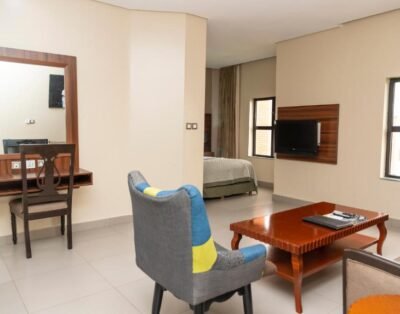
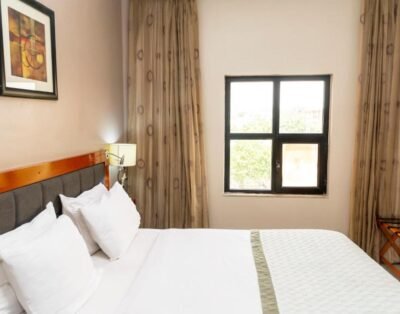
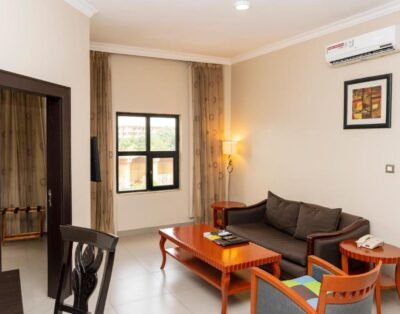
2 Guests · 1 Bathroom
$115 /night
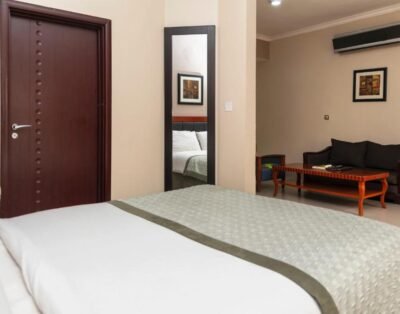
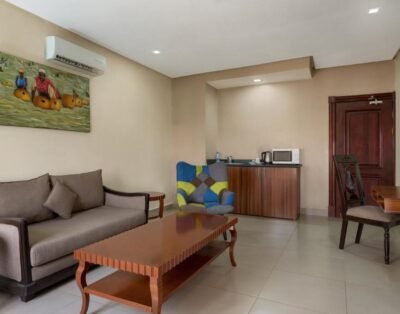
featured
Verified
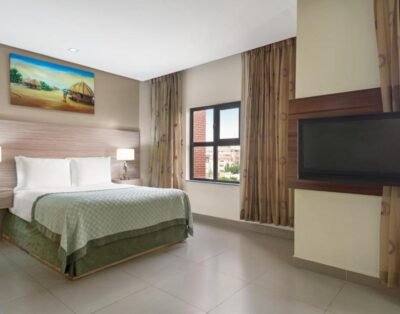
2 Guests · 1 Bathroom
$84 /night
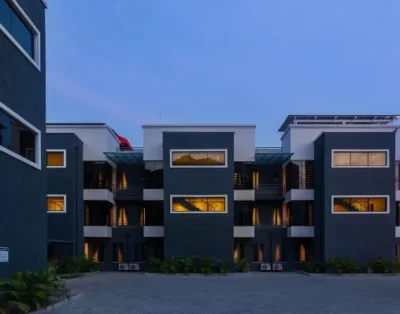
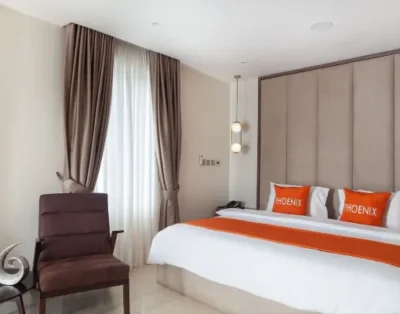
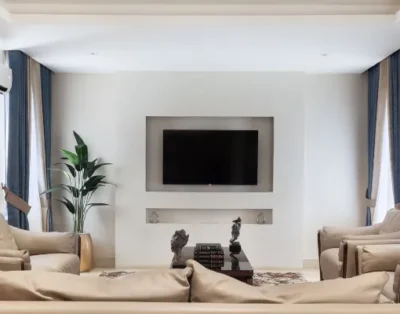
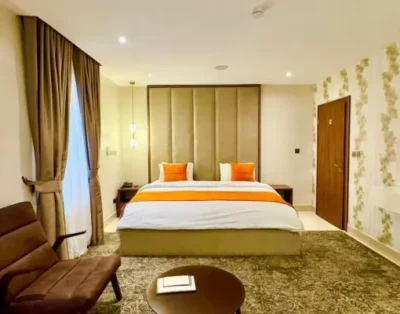
featured
Verified
4 Guests · 2 Bedrooms · 2 Bathrooms
$154 /night
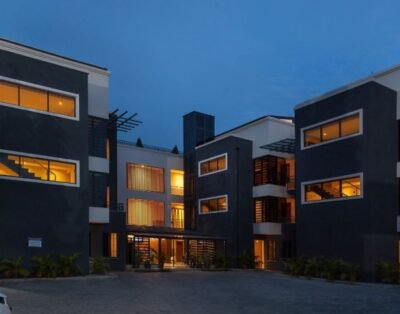
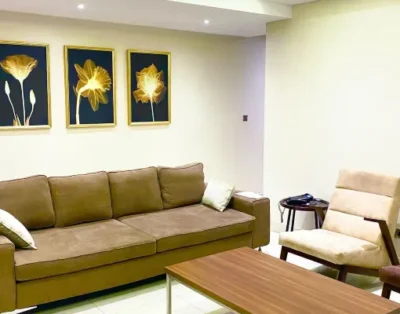
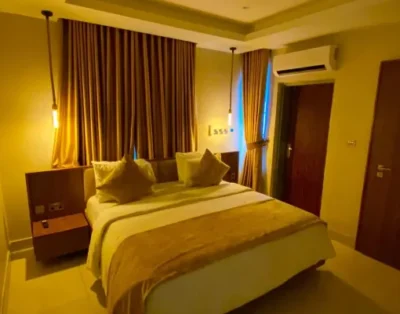
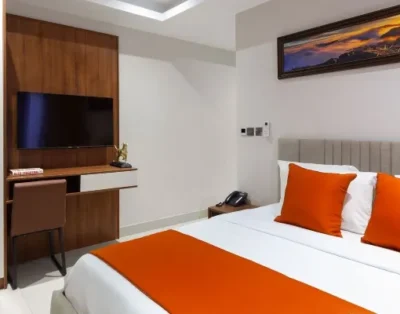
featured
Verified
2 Guests · 1 Bedroom · 1 Bathroom
$105 /night
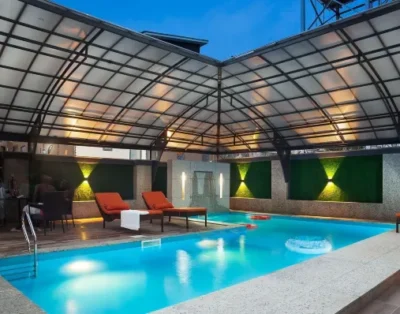
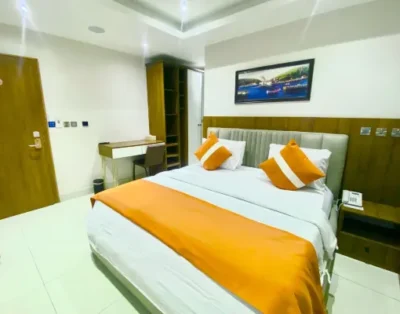
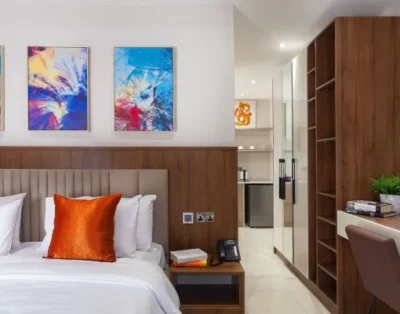
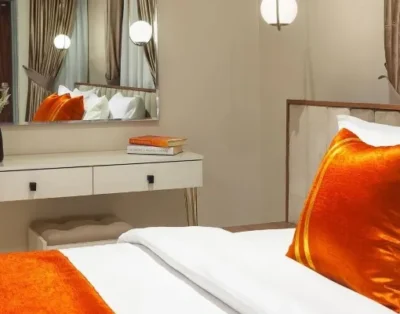
featured
Verified
2 Guests · 1 Bedroom · 1 Bathroom
$93 /night

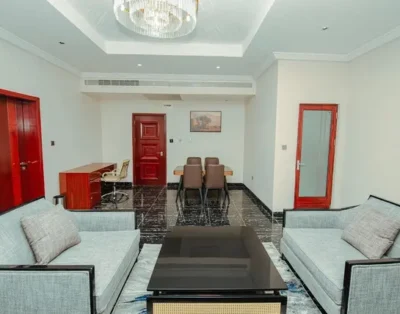
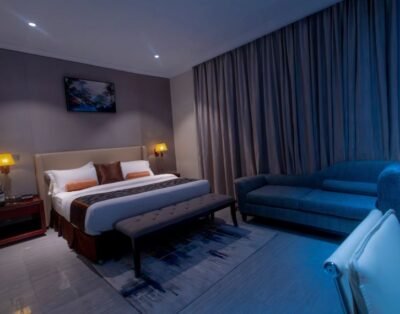
featured
Verified
2 Guests · 1 Bedroom · 1 Bathroom
$267 /night
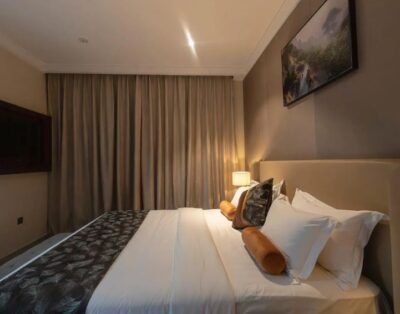
featured
Verified
2 Guests · 1 Bedroom · 1 Bathroom
$196 /night

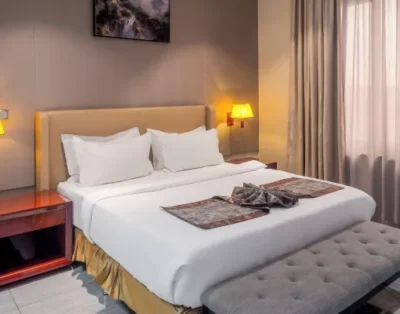
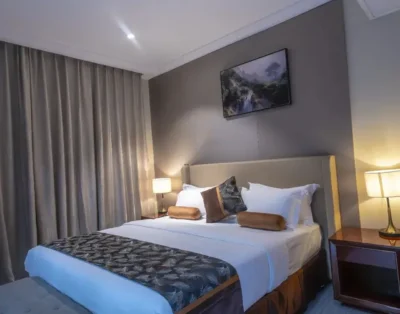
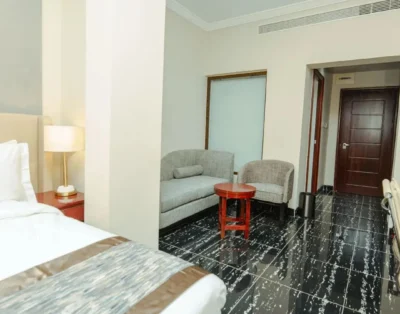
featured
Verified
2 Guests · 1 Bedroom · 1 Bathroom
$123 /night
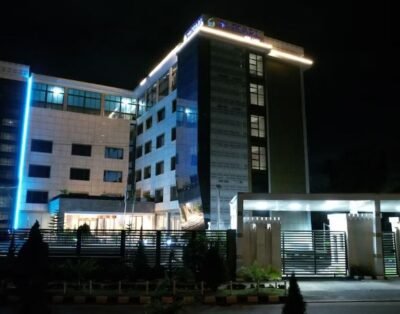
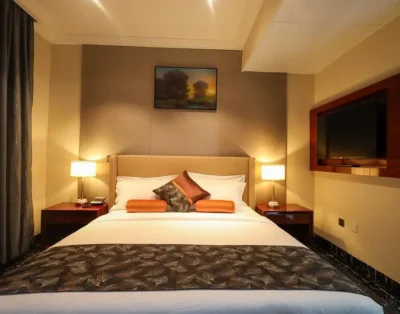
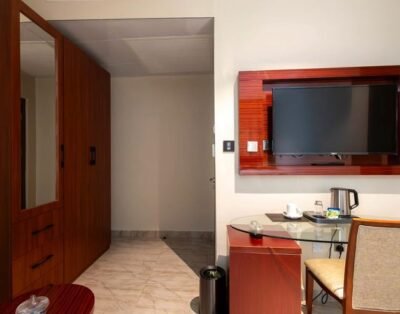
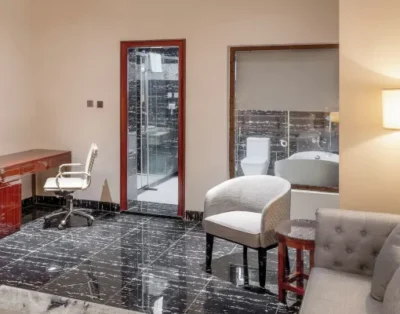
featured
Verified
2 Guests · 1 Bedroom · 1 Bathroom
$95 /night

featured
Verified
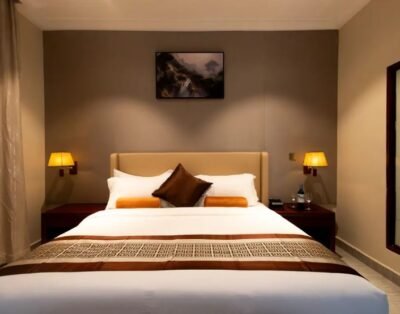
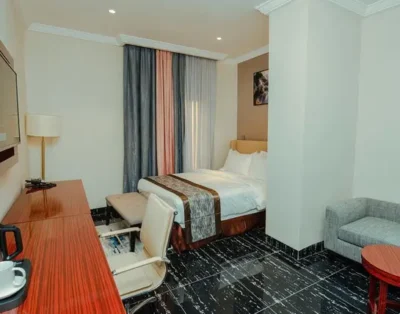
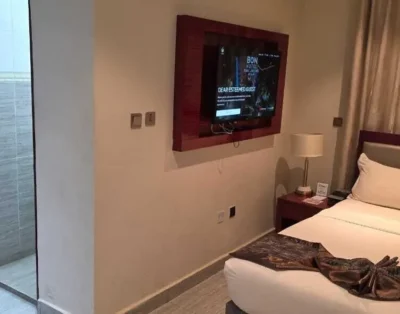
2 Guests · 1 Bedroom · 1 Bathroom
$58 /night


featured
Verified
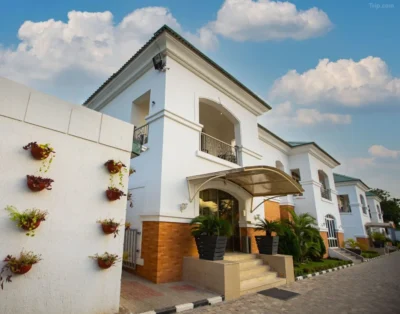
2 Guests · 1 Bedroom · 1 Bathroom
$137 /night
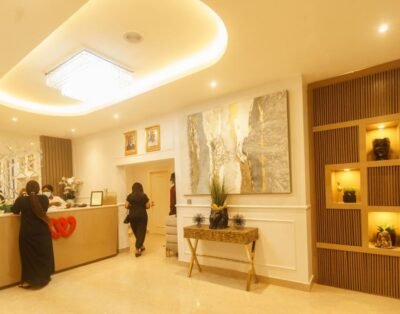


featured
Verified
2 Guests · 1 Bedroom · 1 Bathroom
$123 /night


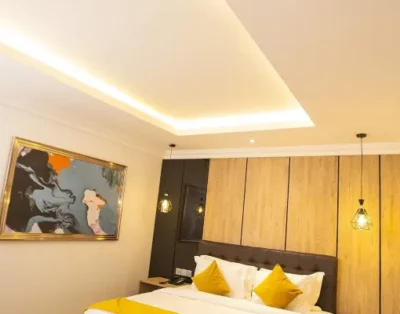

featured
Verified
2 Guests · 1 Bedroom · 1 Bathroom
$82 /night


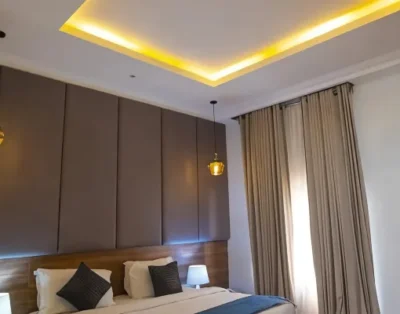

featured
Verified
2 Guests · 1 Bedroom · 1 Bathroom
$72 /night

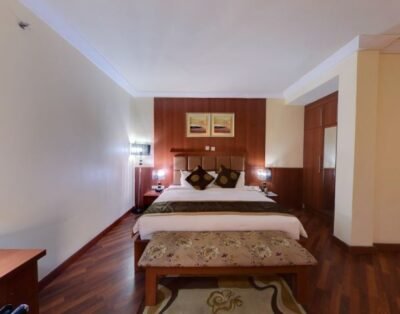
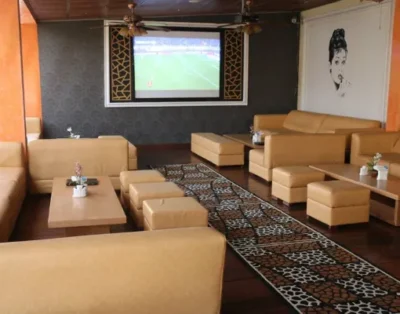

featured
Verified
2 Guests · 1 Bedroom · 1 Bathroom
$91 /night

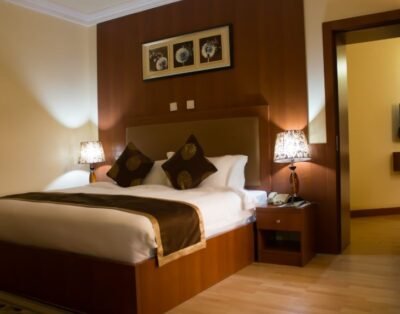

featured
Verified
2 Guests · 1 Bedroom · 1 Bathroom
$150 /night